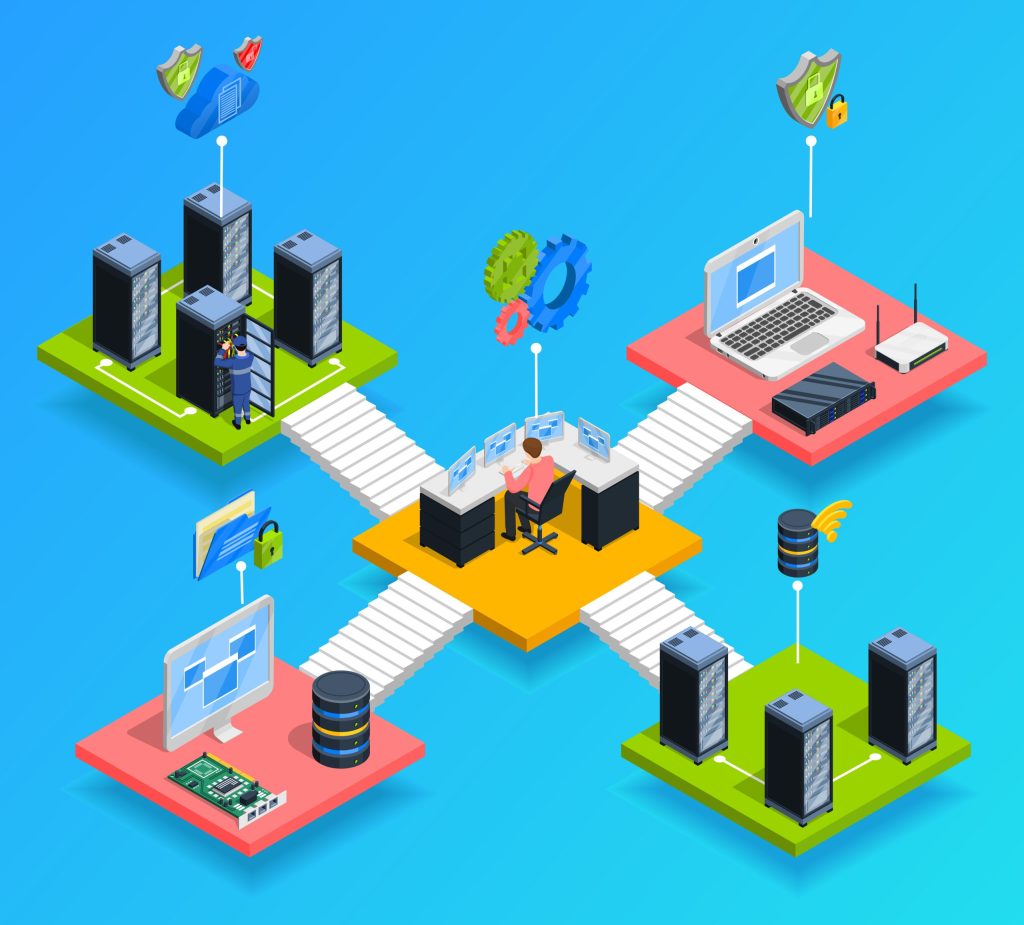
Our businesses increasingly rely on digital solutions, but cloud computing alone isn’t always enough. With challenges like unreliable internet connectivity, high data transfer costs, and the need for real-time processing, edge computing is becoming a game-changer. By processing data closer to the source—whether at a factory, retail store, or remote office—edge computing can improve speed, security, and efficiency.
Today’s post will explore how Kenyan businesses can implement edge computing effectively.
Assess Your Business Needs
Before investing in edge computing, identify the specific challenges your business faces. Some key questions to ask:
- Do you need real-time data processing (e.g., video surveillance, IoT devices)?
- Are internet outages affecting your cloud-based applications?
- Do you handle sensitive data that should be processed locally?
Example:
A logistics company using GPS tracking for fleet management may face delays if data has to be sent to and from the cloud. Implementing edge computing allows trucks to process data locally for real-time tracking.
Choose the Right Edge Computing Devices
Edge computing requires hardware and software that can process data locally. Consider:
Hardware:
- Edge Servers: Small-scale servers within your office, factory, or store.
- IoT Devices: Smart sensors, cameras, and embedded processors.
- Edge Gateways: Connect multiple edge devices and relay only critical data to the cloud.
Software:
- AI-powered analytics for automated decision-making.
- Local data storage solutions like Network-Attached Storage (NAS).
- Edge security applications to protect sensitive data.
Example:
A supermarket chain can deploy edge servers to process customer transactions locally, ensuring faster checkouts even if the internet goes down.
Optimize Your Network for Edge Computing
To ensure seamless integration, businesses must optimize their network infrastructure.
Best Practices:
- Invest in high-speed local networks (fibre optic or 5G where available).
- Use Content Delivery Networks (CDNs) to cache frequently accessed data.
- Deploy hybrid cloud solutions to balance local processing and cloud backup.
Example:
A manufacturing plant using IoT-enabled machines can reduce lag time by processing machine data on-site instead of sending it to a remote data centre.
Implement Strong Security Measures
Edge computing improves security by keeping sensitive data localized and introducing new risks.
Key Security Strategies:
- Encrypt data at rest and in transit.
- Deploy AI-driven cybersecurity tools to monitor threats in real time.
- Use Zero Trust security models to limit unauthorized access.
Example:
A bank using edge computing for biometric authentication should ensure encrypted storage of fingerprints to prevent unauthorized access.
Monitor and Maintain Your Edge Computing Setup
Ongoing monitoring and maintenance are crucial to keeping edge computing systems efficient.
How to Maintain Edge Computing Systems:
- Regularly update software and firmware to patch security vulnerabilities.
- Use remote management tools to monitor distributed edge devices.
- Analyze performance metrics to optimize workloads between edge and cloud processing.
Example:
A video surveillance company can remotely update AI-driven cameras to improve facial recognition accuracy and security alerts.
Conclusion
Edge computing is revolutionizing business operations in Kenya by offering faster processing, lower bandwidth costs, and improved security. Whether in retail, logistics, banking, or manufacturing, implementing an edge computing strategy can help your business become more efficient and resilient.
Want to explore edge computing solutions for your business? Contact Us for expert advice and implementation!